The hardest methane problem in the water sector. Solved.
Brutus deactivates methanogens in post-digested sludge, preventing downstream methane formation entirely. Phase 2 has concluded, the final report is complete, and seven water company partners and the Environment Agency as Project Observer have reviewed the findings. The next stage is commercial deployment.
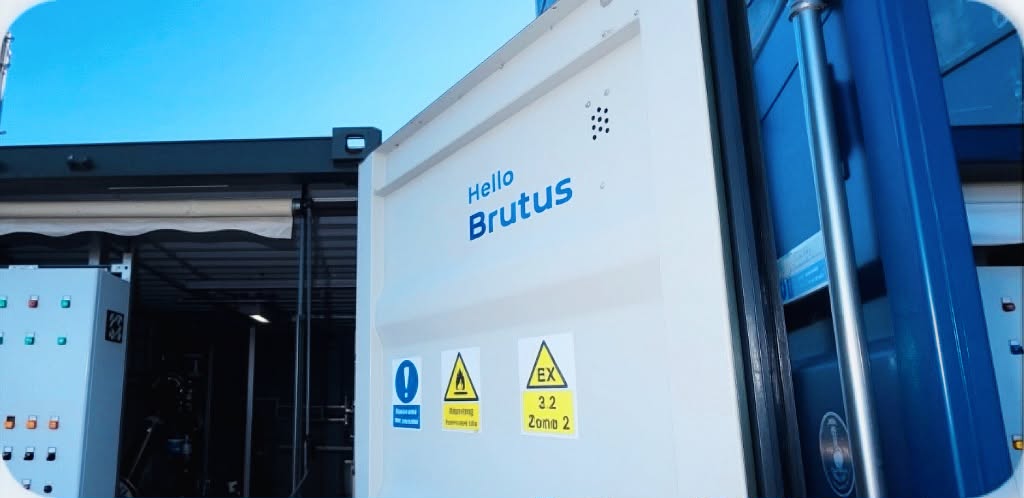
Where Chloe addresses the methane that leaves the digester dissolved in the liquid, Brutus addresses a harder problem: the methane that forms after the liquid leaves the anaerobic digester. Post-digested sludge contains residual methanogens that remain active through post-digested storage tanks, dewatering, storage, transport, and land application, continuing to produce methane at every stage. Brutus inhibits those methanogens at source, using a chemistry-based approach that has now been demonstrated to reduce TVOCs by up to 95% in live pilot conditions. The EU Industrial Emissions Directive makes this not a future consideration but a current compliance question for every UK water company. Seven of the eleven UK water companies understood that early enough to fund the development of the answer together. Brutus is moving from trial to commercial.