The language problem in methane prevention
We reward capturing carbon from the air more than stopping it at the source
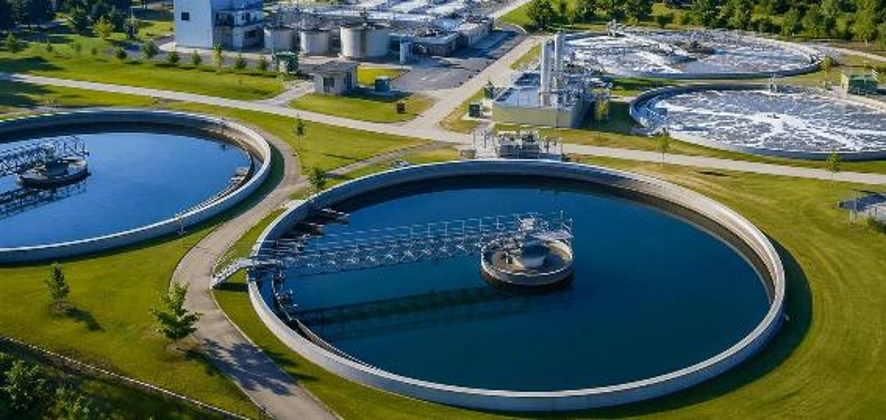
Methane drives over 30% of current warming, yet receives roughly 1% of climate investment. Part of the reason is structural. Carbon markets, government incentives, and corporate net zero frameworks have been built around carbon dioxide, measured in tonnes, over a hundred-year horizon. Methane, which is 80 times more potent than CO₂ over 20 years but breaks down in around 12, does not fit neatly into those frameworks.
But part of the reason is linguistic. “Carbon capture” has a clear identity. “Methane prevention” does not. That’s because prevention, by definition, produces no visible output. You cannot point to a tonne of methane you stopped. You can only point to a reading that did not spike, a pipe that did not vent, a digester that did not off-gas downstream.
At Bluemethane, we think the language needs to catch up with the science. Stopping methane before it is produced is, tonne for tonne, one of the most powerful climate interventions available. The tools to do it now exist. What is needed is a funding and policy environment that treats prevention as the first line of defence, not an afterthought to capture.